DUI California Limits
TL;DR: California's standard DUI limit is 0.08% blood alcohol concentration for drivers 21 and over (Vehicle Code §23152). Commercial drivers face a stricter 0.04% limit while on duty. Drivers under 21 face a zero-tolerance 0.01% limit. A first DUI conviction carries license suspension, fines, mandatory DUI school, and possible ignition interlock: even without a crash. This guide covers every California DUI BAC limit, the penalty schedule by offense, the implied-consent rule for chemical tests, and what happens after an arrest.
California DUI BAC limits chart
| Driver category | BAC limit | Vehicle Code section |
|---|---|---|
| Standard (21+) | 0.08% | CVC §23152(b) |
| Commercial driver (CDL, on duty) | 0.04% | CVC §23152(d) |
| Under 21: Zero Tolerance | 0.01% | CVC §23136 |
| Probationary DUI driver (any age) | 0.01% | CVC §23154 |
| Drugs (cannabis or controlled substance) | No numeric threshold: impairment-based | CVC §23152(f) |
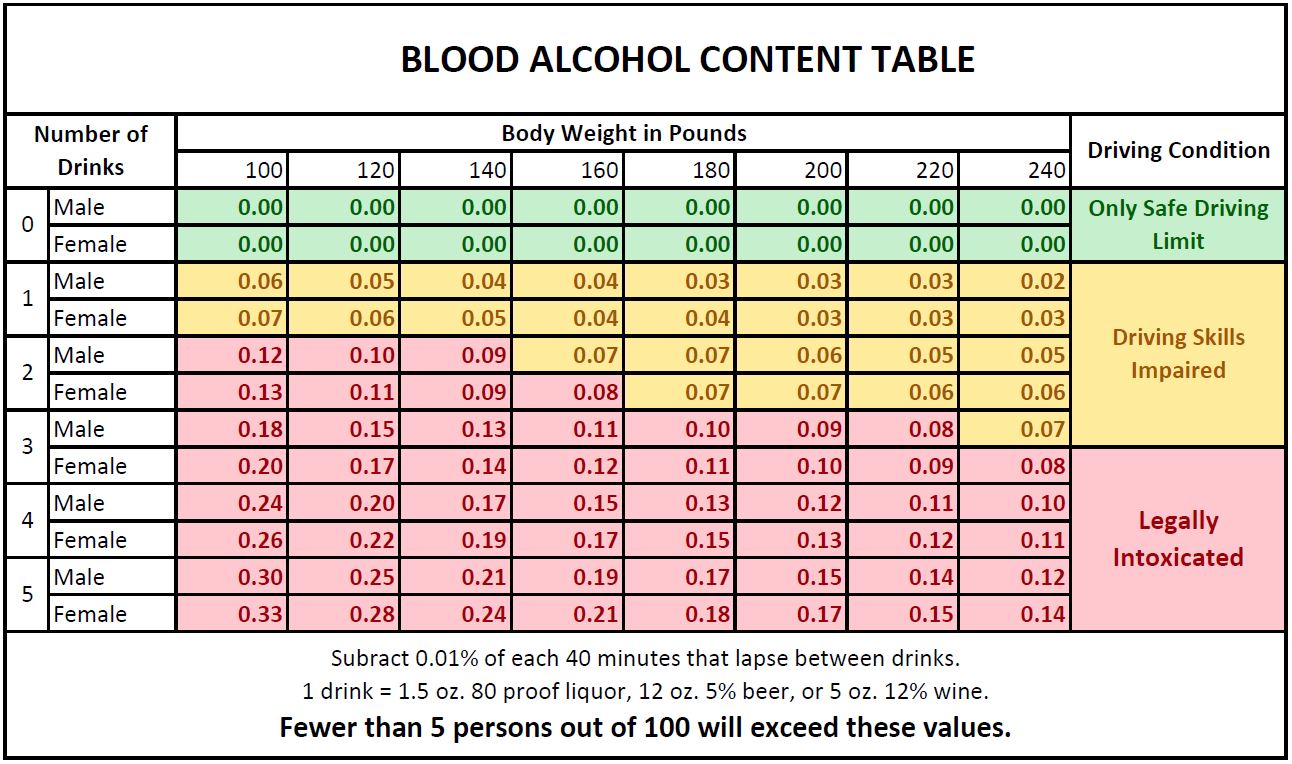
The standard DUI statute makes it unlawful to drive (a) under the influence of any alcoholic beverage or drug, or (b) with a blood alcohol concentration of 0.08% or more. Subsections (d), (e), and (f) extend the rule to commercial drivers (0.04%), rideshare drivers (0.04% while on duty), and any drug impairment.
Only 1% of California drivers answer all 3 correctly
Think you know the rules? Most licensed drivers miss at least one.
At 60 mph on a dry California freeway, what is the recommended minimum following distance?
First-offense DUI penalties
| Penalty | First offense (no injury, no priors) |
|---|---|
| Base fine | $390,$1,000 |
| Total court costs (fees, surcharges) | $1,500,$2,500 typical |
| Jail time | 4 days, 6 months (often suspended in favor of probation) |
| License suspension | 6 months administrative + 4 months court |
| DUI school | 3 months (32 hours; longer for higher BAC) |
| Ignition Interlock Device (IID) | 6 months mandatory (CVC §23700) |
| Probation | 3,5 years informal |
| Insurance impact | SR-22 required for 3 years; premium often doubles |

Second-offense DUI penalties (within 10 years)
| Penalty | Second offense |
|---|---|
| Base fine | $390,$1,000 (same range, longer probation) |
| Total court costs | $3,000,$5,000 typical |
| Jail time | 96 hours, 1 year (some served) |
| License suspension | 2 years (1 year ignition interlock-restricted driving available) |
| DUI school | 18 months (45 hours instruction + counseling) |
| Ignition Interlock Device | 1 year mandatory after reinstatement |
| Probation | 3,5 years |
Third-offense and felony DUI penalties
- Third within 10 years: 120 days, 1 year jail; 3-year license revocation; 30-month DUI school; 2-year IID; "Habitual Traffic Offender" designation for 3 years.
- Fourth within 10 years: Felony DUI under CVC §23550; up to 3 years in state prison; 4-year license revocation; permanent record.
- DUI causing injury (any number): CVC §23153; felony or wobbler depending on the case; up to 4 years state prison.
- DUI causing death: Watson murder (CA Penal §187) or vehicular manslaughter (Penal §192); up to life in prison.
Implied consent and chemical tests
By driving in California, you have given implied consent to a breath or blood test if a law enforcement officer arrests you for DUI. Refusing the test triggers an automatic 1-year license suspension on a first offense, 2 years on a second, and 3 years on a third: separate from any DUI conviction. The refusal also lets prosecutors use the refusal itself as evidence at trial.
Preparing for your DMV test?
Download our free iOS app — 1,164+ practice questions in 11 languages, flashcards, and offline study!

What happens after a DUI arrest
- Field test and arrest. Officer administers field sobriety tests (FSTs) and a preliminary alcohol screening (PAS): the roadside breath test. Refusing the PAS is OK for drivers 21+ without priors; refusing the post-arrest test is not.
- Booking and chemical test. You choose breath or blood (no choice if a drug DUI). Refusing here triggers the implied-consent penalty.
- Pink temporary license issued. Your physical license is taken; you have 30 days to drive on the pink slip and request a DMV hearing.
- DMV administrative hearing. Request within 10 days of arrest. If you win, your license stays valid; if you lose (or do not request), administrative suspension begins on day 31.
- Criminal arraignment. Typically 30,60 days after arrest. You enter a plea or your attorney negotiates.
- Sentencing. If convicted, the court imposes the penalty schedule above.
DUI on a bicycle or boat
You can be cited for cycling under the influence under CVC §21200.5: but the penalties are much lower than a vehicle DUI: $250 fine, no license suspension, no ignition interlock. The arrest does not count as a prior for vehicle DUI sentencing purposes.
Boating under the influence (BUI) is a separate offense under Harbors and Navigation Code §655, with similar limits (0.08% BAC). See our California boat and vessel owner guide for the full BUI penalty schedule.
License reinstatement after DUI
After your suspension period ends, you must:
- Complete the required DUI school (3 months minimum on first offense)
- File proof of completion (Form DL-101) with the DMV
- File proof of SR-22 insurance (3 years)
- Pay the reinstatement fee ($125)
- Install an ignition interlock device if required for your offense category
An IID-restricted license lets you drive immediately after a first-offense conviction (CVC §23700): you can go to work, school, or DUI program with the device installed. This is usually faster than waiting out the suspension.
Common DUI defenses
Most California DUIs result in conviction, but several defenses succeed in specific circumstances:
- No reasonable suspicion to stop. The officer must have a lawful reason (traffic violation, equipment violation, checkpoint).
- Breath machine calibration. Title 17 CCR requires breath machines be calibrated regularly; old maintenance records can suppress the result.
- Rising BAC. Alcohol absorption continues for ~1 hour after the last drink. A BAC at the police station may be higher than at the time of driving.
- Medical condition. GERD, diabetes, low-carb dieting can mimic impairment or skew breath results.
These are case-specific: consult a DUI defense attorney within a few days of the arrest.
Insurance and DUI
A DUI conviction stays on your California driving record for 10 years. Insurance carriers raise rates by an average of 80%,150% on a first offense and require an SR-22 filing. Some carriers drop policyholders after a DUI; California's Low Cost Auto Insurance Program (CLCA) is an option for income-qualifying drivers with a clean post-DUI record.
For broader California traffic-law context, see our California traffic laws 2025,2026 guide and the California Driver Handbook.
For a visual tour of every state's driver license design, see our full guide.
CHP concentrates DUI patrols during holiday Maximum Enforcement Periods, when every available officer is on the road.