Registering a Vehicle in California - Complete Guide
TL;DR: Registering a vehicle in California means paying the use tax (one-time), the Vehicle License Fee (VLF, 0.65% of value), and a base $46 registration fee: plus county and CHP fees. New residents have 20 days to register an out-of-state vehicle (CVC §6700). Used cars sold privately need a title transfer within 10 days. Smog certification is required for most vehicles older than 4 model years. This guide breaks down every fee, every form, and the timeline for new-car, used-car, and out-of-state registration in 2026.
When you must register a vehicle in California
- New car purchase. Dealers handle the paperwork in most cases. You pay at signing; the DMV processes the registration in 6,8 weeks.
- Used car (private sale). The buyer registers within 10 days. The seller submits a Notice of Transfer and Release of Liability (NRL) within 5 days.
- Out-of-state vehicle (new California resident). 20 days from establishing residency under CVC §6700.
- Returning California vehicle (e.g., long-term storage, registered out of state temporarily). Re-register within 20 days.
- Annual renewal. Each vehicle's registration expires annually on its renewal month. The DMV mails a renewal notice 60 days ahead.
Documents and forms you need
| Document / form | Purpose |
|---|---|
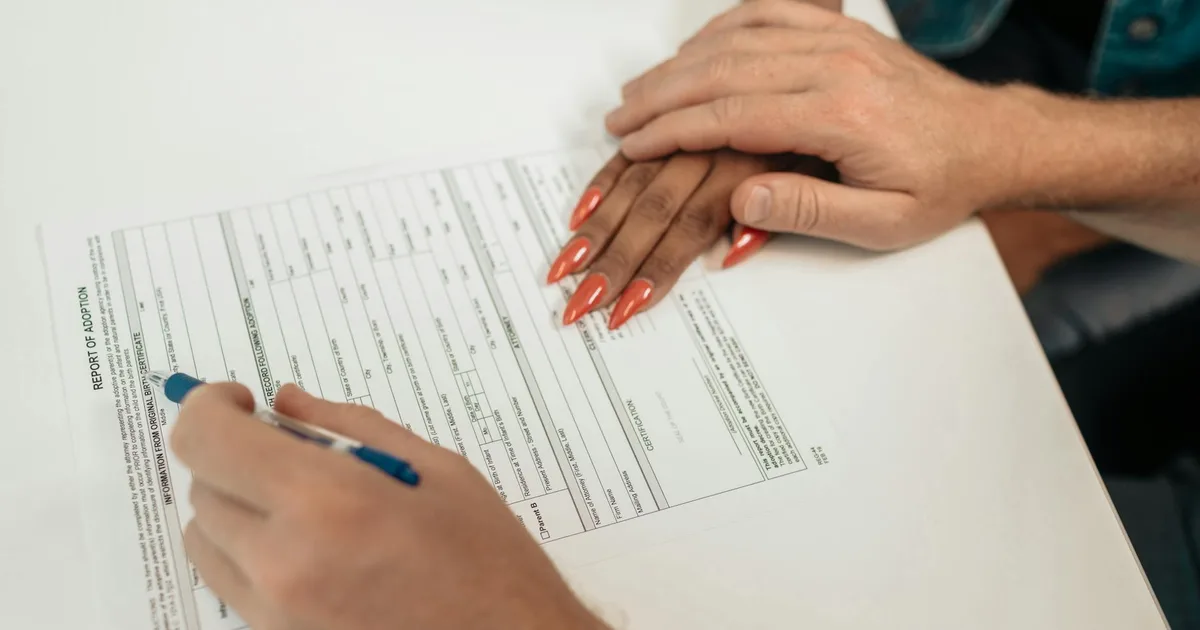
| REG 343 | Application for Registration (the main form) |
| Title (pink slip) | Proof of ownership; signed transfer on the back for used vehicles |
| Bill of sale | Used for use-tax calculation |
| Smog certificate | Required for vehicles 5+ model years (some exemptions) |
| Insurance proof | Liability coverage required by California law |
| VIN verification | For vehicles from out of state; done by CHP, AAA, or DMV |
| Odometer disclosure | Required for vehicles under 10 years old |
| Notice of Transfer (seller) | Releases the seller from liability within 5 days |
California registration fees breakdown (2026)
Total registration cost is the sum of several line items. Most are calculated automatically based on the vehicle's value, weight, and county. Here is the breakdown for a typical passenger car:
Only 1% of California drivers answer all 3 correctly
Think you know the rules? Most licensed drivers miss at least one.
At 60 mph on a dry California freeway, what is the recommended minimum following distance?
| Fee | 2026 amount | Notes |
|---|---|---|
| Base registration | $46 | Same statewide; applies to every vehicle |
| California Highway Patrol (CHP) fee | $32 | Funds CHP operations |
| Vehicle License Fee (VLF) | 0.65% of vehicle value | Replaces the property tax most other states charge; declines each year as the vehicle ages |
| Transportation Improvement Fee (TIF) | $28,$196 | Based on vehicle value |
| County/district fees | $1,$19 | Varies by county |
| Smog Abatement Fee | $20,$25 | For vehicles exempt from smog inspection |
| Use tax (one-time, new resident or used purchase) | 7.25%,10.25% of value | Sales tax equivalent; paid once on first California registration |
The exact total depends on your vehicle's year, value, weight, county, and ZIP code. The DMV fee calculator takes a VIN and gives the precise figure. Most passenger cars under 5 years old pay $300,$700 for the annual renewal.
Preparing for your DMV test?
Download our free iOS app — 1,164+ practice questions in 11 languages, flashcards, and offline study!

Smog certification rules
California has the strictest emissions standards in the U.S. Most vehicles need a smog inspection at registration. Inspection costs $40,$80 at certified Smog Check stations.
| Exemption | Apply to |
|---|---|
| New vehicles 4 model years or newer | All passenger cars and light trucks |
| Gasoline vehicles 1975 and older | Classic-car carve-out |
| Diesel vehicles 1997 and older | Pre-OBD II diesel exemption |
| Diesel vehicles over 14,000 lbs GVWR | Heavy diesel |
| Electric vehicles | No exhaust to test |
| Motorcycles | Always exempt |
If your vehicle fails the smog check, you have to repair it before the DMV will register it. The Consumer Assistance Program offers up to $1,500 in repair help for income-eligible drivers.
Registering an out-of-state vehicle (new California resident)
You have 20 days from establishing California residency to register a vehicle you brought with you. The process:
- Get the smog inspection done first if your vehicle is older than 4 model years.
- Get a VIN verification: free at any CHP office, AAA office (members), or $5 at the DMV.
- Bring the title, current out-of-state registration, smog certificate, VIN verification, proof of insurance, and form REG 343 to a DMV appointment.
- Pay the use tax (7.25%,10.25% of vehicle value), title transfer fee ($23), VLF, and base fees.
- Surrender your out-of-state plates (the DMV destroys them per the previous state's rules).
- You walk out with California plates and stickers.
Penalties begin to accrue on day 21 after you become a California resident: $10 initial late fee, escalating monthly. After 6 months, the penalty can exceed the registration fee itself. Register as soon as possible after arrival.
Used-car (private party) registration
If you buy a used car from a private seller in California, you (the buyer) register the vehicle:
- Get a signed title from the seller (the "pink slip": both buyer and seller sign on the back)
- Get a bill of sale showing the purchase price (use-tax calculation)
- Smog certificate: the seller usually provides this if the car is over 4 model years
- Submit form REG 343 + the documents within 10 days
- Pay the use tax (sales tax on the purchase price)
- Receive your new plates and registration card by mail
If you are buying from a dealer, the dealer files the paperwork on your behalf and charges the fees at closing. You leave with a temporary paper registration and the plastic plates arrive by mail.
Annual registration renewal
Each vehicle's registration expires annually on the month shown on the sticker. The DMV mails a notice about 60 days ahead. You can renew:
- Online at dmv.ca.gov: free if you have the registration code and pay with credit/debit
- At a DMV Now kiosk: over 190 locations; see our DMV kiosk guide
- By mail: return the renewal notice with a check
- In person at a DMV field office: usually only needed if you need to update the title or address
Common registration mistakes
- Letting registration lapse more than 60 days. Penalties escalate monthly and your insurance may refuse coverage.
- Missing the smog certificate. The DMV cannot process registration without one for non-exempt vehicles.
- Wrong use tax on a private-party purchase. The DMV uses the higher of your purchase price or the fair market value (Kelley Blue Book equivalent).
- Title not signed by all owners. If two names are on the title, both must sign the transfer.
- Forgetting to surrender out-of-state plates. The DMV requires them; some plates are mailed back to the original state.
For the full new-resident workflow (license + registration + smog), see our new-to-California driver guide.
For a visual tour of every state's driver license design, see our full guide.